Hot Keywords:
- All
- Product Name
- Product Keyword
- Product Model
- Product Summary
- Product Description
- Multi Field Search

Views: 0 Author: Welldone power Publish Time: 2026-06-12 Origin: Site


If you’ve been in the power industry for any length of time, you’ve probably heard someone ask, “How many years until we must replace this transformer?” The honest answer? Nobody knows — and anybody who gives you a firm number is guessing.
Transformers don’t come with an expiration date stamped on the nameplate. Their actual service life depends on how they’re treated, where they live, and how well you listen to what they’re telling you.
Let’s break down what really determines a transformer’s life, when you should think about major repairs versus replacement, and which red flags mean it’s time to start shopping for a new unit.
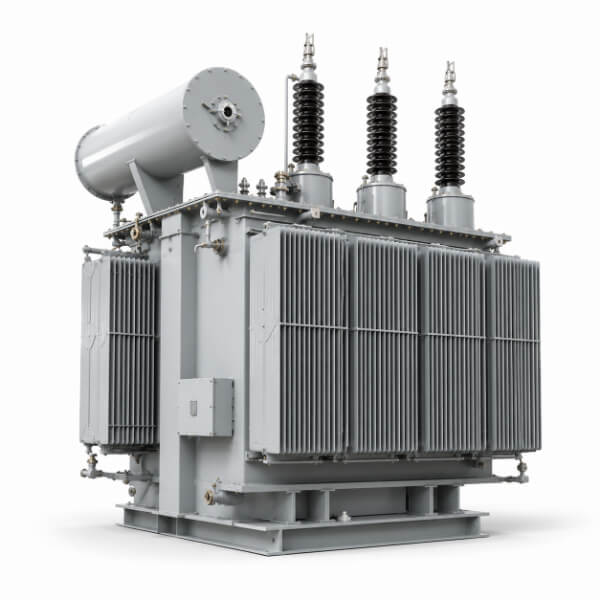
Industry design life for a typical power transformer falls somewhere between 20 and 40 years. But that’s like saying a car can last 150,000 miles — plenty do, but plenty don’t.
With solid maintenance and favorable conditions, many transformers push past 30 years without breaking a sweat. Some even make it to 40 or 50. The ones that die young almost always have a story: chronic overload, a neglected cooling system, or an environment that’s basically a slow cooker for insulation.
You can ignore the calendar. Focus on these four factors instead.
1. Insulation breakdown (the real killer)
The internal insulation — paper, oil, or resin — ages faster when it gets hot. Every 10°C above rated temperature roughly halves the insulation’s life. That’s not a metaphor; it’s a chemical fact. Once the insulation loses its dielectric strength, failure follows soon after.
2. Where it lives
A transformer sitting in a clean, dry, temperature-controlled room will outlast an identical unit baking in a dusty substation with high humidity and corrosive fumes. Harsh environments accelerate everything: rust, oil degradation, terminal corrosion.
3. What you ask it to do
Occasional overloads are fine. Chronic, heavy overloading? That’s asking for trouble. Every hour spent above rated load cooks the winding insulation a little more. Over enough time, that cooking adds up.
4. How you take care of it
The single biggest variable under your control. A transformer that gets regular oil sampling, thermographic scans, and timely minor repairs will almost always outlive its neglected twin.
Let’s be practical. You’re not going to tear down a transformer every other year. But you also shouldn’t set it and forget it.
Minor service should happen at least once a year. Check oil levels, look for leaks, measure temperature, inspect bushings and arresters.
Major overhaul — the kind where you drain, open, inspect, and dry out the windings — used to be recommended every 5–10 years. Modern guidelines (like DL/T573-2021) acknowledge that if a transformer is running clean and your diagnostic data looks boring, you can stretch that to 10–20 years. Some reliable units go even longer between major tear-downs.
The key word is diagnostic data. Don’t schedule a major overhaul just because the calendar says so. Schedule it because your oil analysis or electrical tests say you should.
This is where most operators struggle. You see a problem, but the transformer still works. Do you fix it or replace it?
Replace when you see any of these:
Test results that cross the danger line
Dielectric dissipation factor (tan delta) for oil in a typical 10 kV class transformer should stay below 0.5%. If it climbs past 0.75% — that’s 1.5 times the normal limit — your oil is degrading faster than a cheap battery. Even if insulation resistance still looks acceptable, trouble is coming.
Insulation resistance on medium-voltage cable windings? Below 1000 MΩ is a warning. A steady downward trend over multiple tests is often more informative than a single low reading.
Partial discharge above 50 pC during normal operation is worth watching. Once you see regular discharges exceeding 100 pC with repeating pulse patterns, you’ve got internal arcing or void activity. That’s a “fix now or replace soon” event.
The “double the limit” rule
If dissipation factor exceeds the standard limit by 2× (for example, 1.0% or higher), and partial discharge signals keep rising — say a 50% increase over your last two tests — stop analyzing and start acting. Those are unambiguous signs that the core insulation is failing.
Unreasonable repair costs
Simple math: if a major repair will cost 70% or more of a new unit’s price, and the transformer is already past 20 years old, replacement usually wins. Also factor in downtime. An old unit might limp along, but how much does an unplanned outage cost your facility?
Physical decay you can see or hear
Winding paper that looks like brittle, yellowed old book pages
A tank shell with serious rust through or leaks you can’t patch
Strange buzzing or intermittent arcing sounds from inside
Hot spots on the tank that don’t match load conditions
Any of those means the transformer is telling you — loudly — that its time is limited.
Forget the birthday cake. Your transformer doesn’t care how old it is. What matters is the state of its insulation, the cleanliness of its oil, and the trajectory of its test results.
Build a simple health log:
Oil sample analysis once a year (more often for critical units)
Infrared scan under load every six months
Insulation resistance test annually
Partial discharge monitoring if available
When the numbers start trending wrong, investigate. When they cross hard thresholds (1.5× limit for dissipation factor, persistent partial discharge above 100 pC), plan a replacement within a budget cycle. When they double the limit, start ordering — because a failure is now a matter of when, not if.
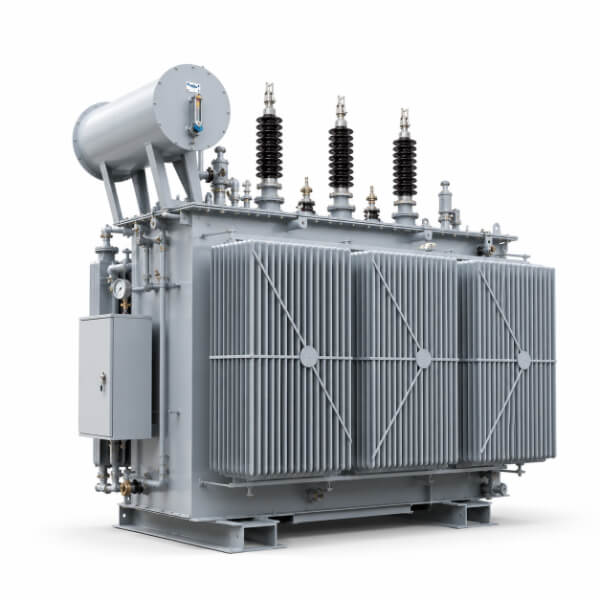
You don’t need a new transformer every 25 years like clockwork. Some perfectly good units run for 40 years. Others fail at 15 because they were mistreated.
Stop counting years. Start measuring oil, tracking temperatures, and listening to what the diagnostics tell you. That’s how you get the most life out of every transformer — and how you know exactly when it’s finally time to say goodbye.


